Injection Molded Parts
Custom Injection Molded Parts
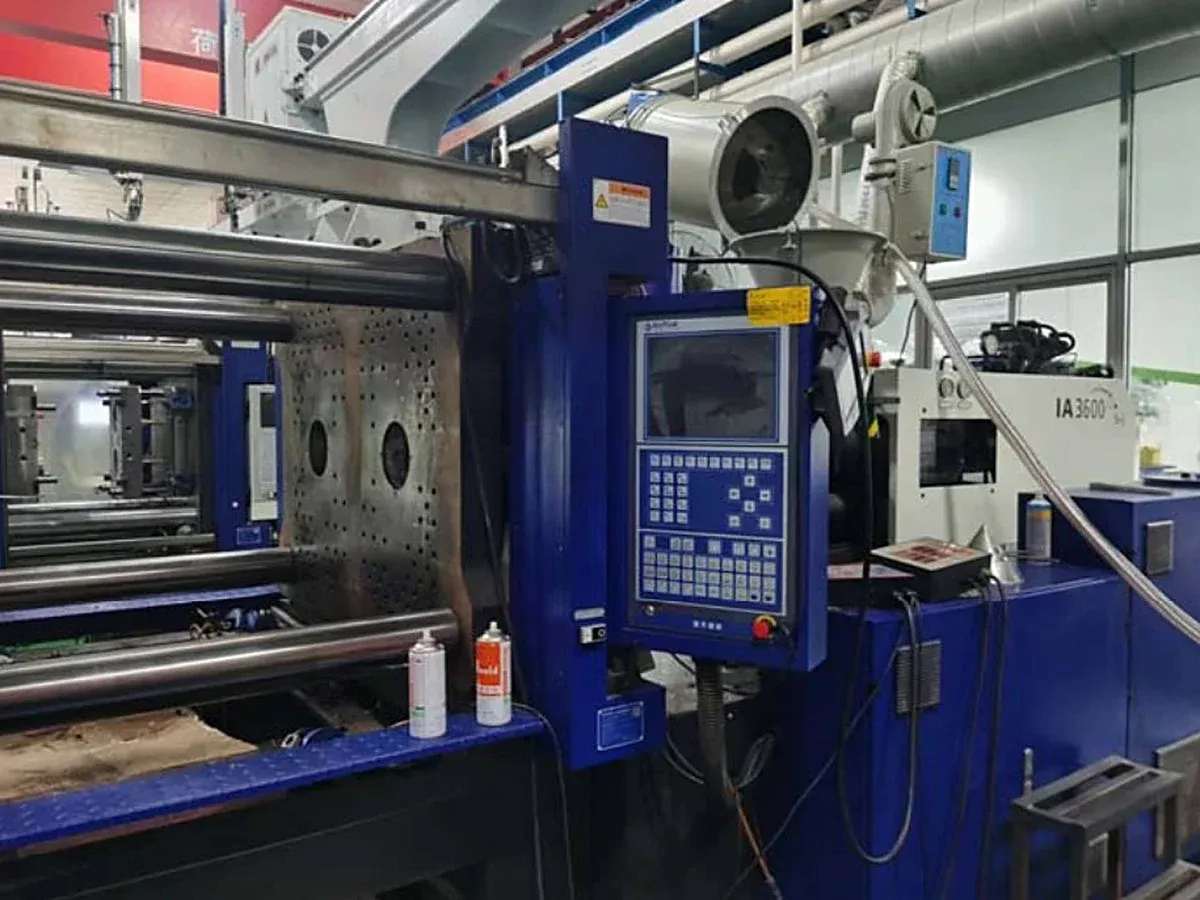
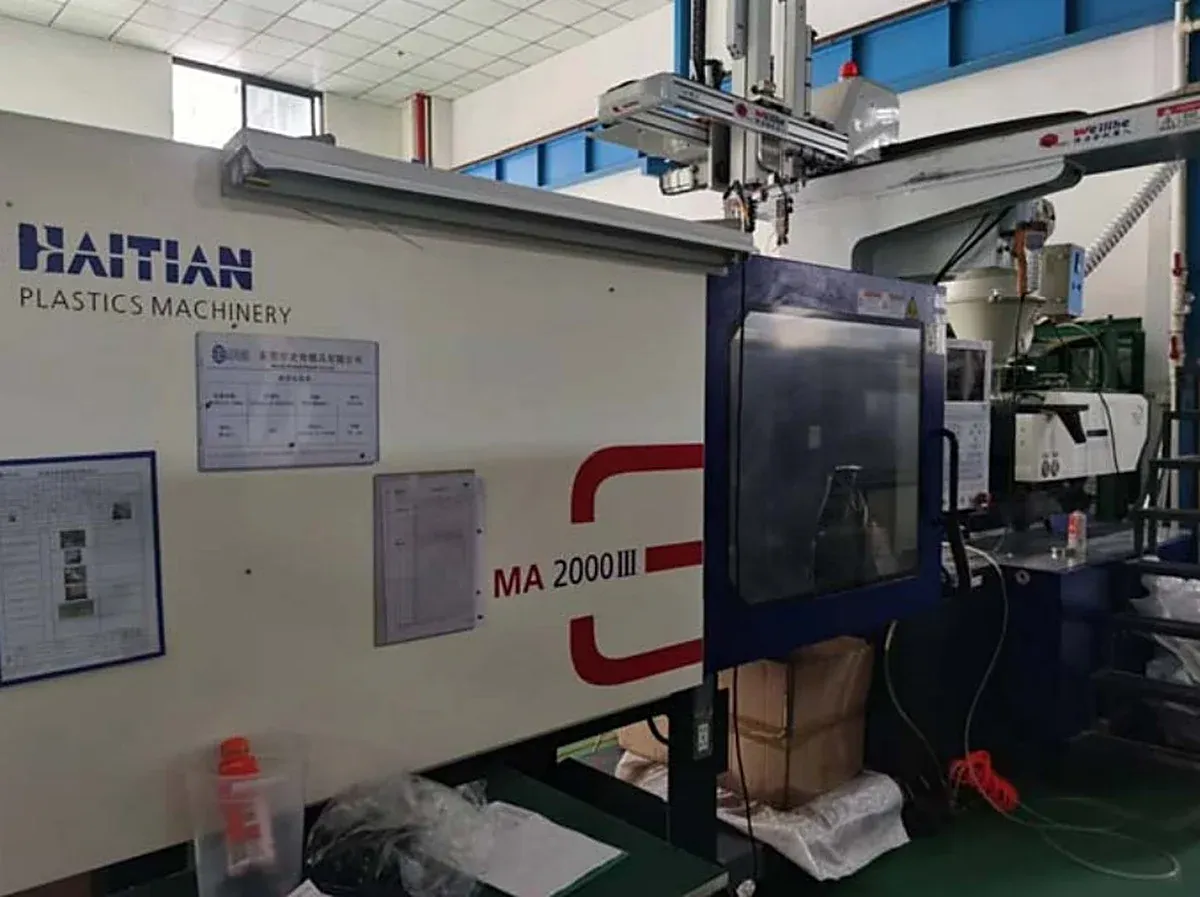
Injection molded parts produced on Haitian presses from 90T to 470T in our Dongguan factory — your mold built here, transferred to us, or run alongside new tooling. Engineering plastics including ABS, PC, PA, PP and POM; parts inspected against your drawing and shipped DDP to the US and Europe. Free DFM and quote within 24 hours.
Molded parts look simple until production starts: flash on the parting line, sink marks over thick sections, warpage that only appears after the parts cool in the box. Most of these problems trace back to design decisions and tool quality — which is why buyers increasingly source molding from the factory that also builds the tool. HAFO Mould runs injection molding production on Haitian presses from 90T to 470T in the same Dongguan factory where its toolroom has operated since 2007. We build your mold and run it, take over a mold you already own, or run production alongside tooling built by our own engineers.
Send Your Part Files — Free DFM + Quote Within 24 Hours. STEP, STP, IGES, STL, X_T and 2D PDF accepted. NDAs welcome; files are confidential.
Haitian presses 90T–470T, incl. two 360T two-shot machines · In-house toolroom for mold build, maintenance and repair · 80 staff, 35 engineers · ISO 9001:2015 certified — scope: Manufacturing of Hardware Molds and Parts · Regular deliveries to the US, Germany, France, Portugal, Sweden and Spain.
Production Capabilities
- Press range 90T–470T — from small precision components to larger housings and covers
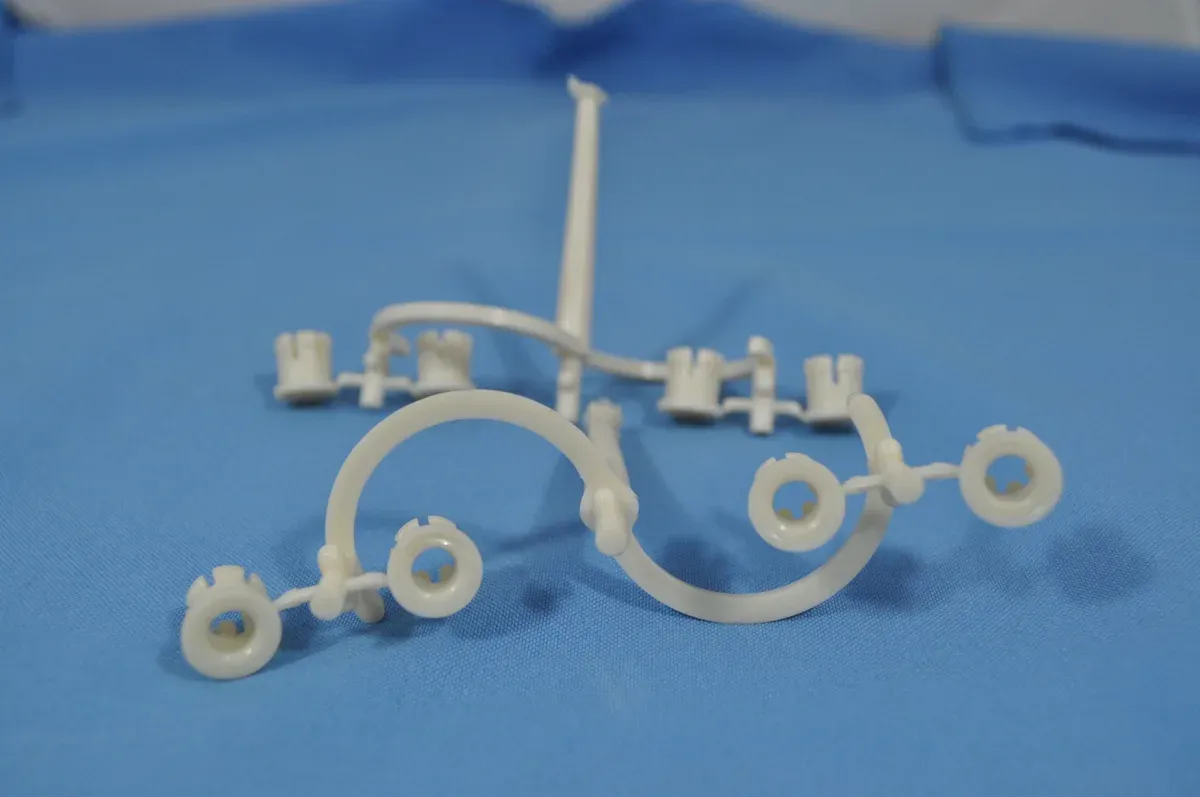
- Insert molding — parts molded around metal inserts, bushings and threaded hardware
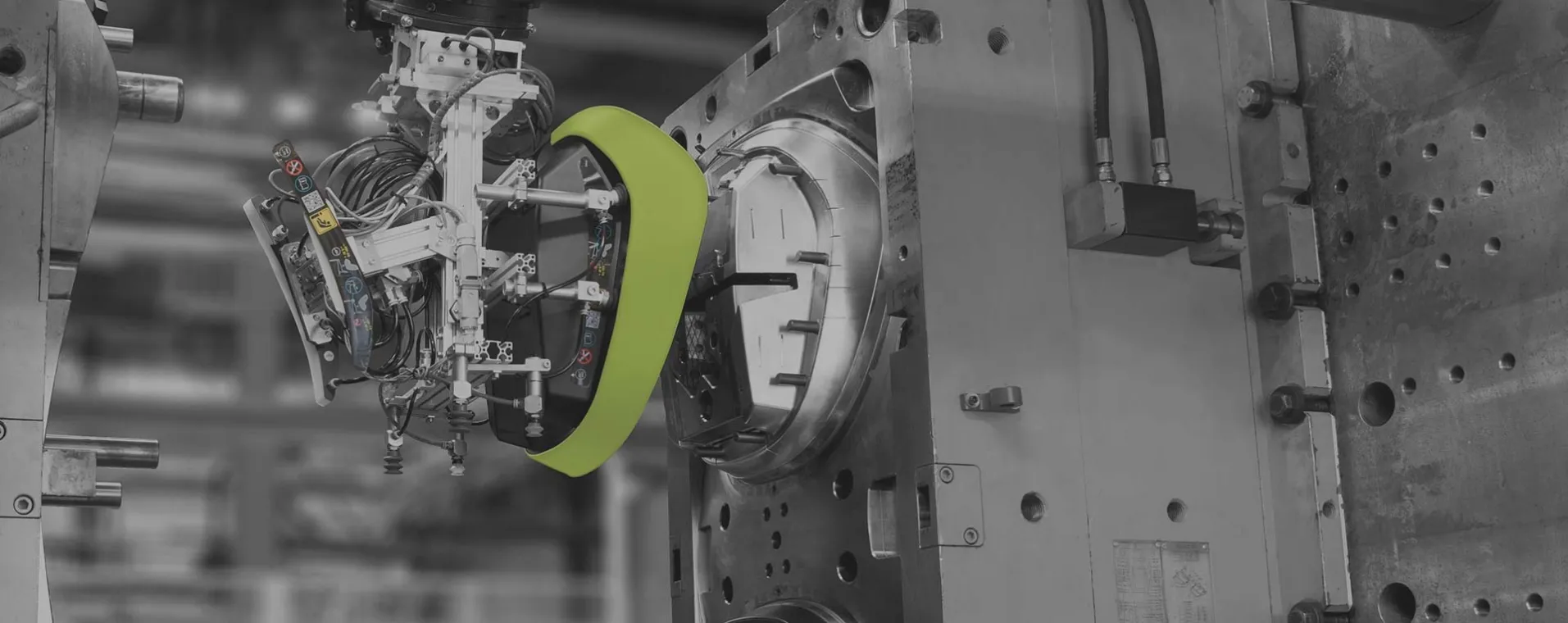
- Overmolding — soft material molded over rigid substrates Two-Color & Overmolded Parts
- Two-shot molding — two materials or colors in one cycle on 360T two-color machines Two-Color & Overmolded Parts
- Small batches welcome — alongside volume production; tell us your quantity and we quote it as it is
Resins We Mold
Common engineering plastics including ABS, PC, PA (nylon), PP and POM, plus the materials specified on your drawing. If your part needs a particular grade — a specific filler content, a flame rating, a food-contact or outdoor-weathering requirement — name it in the RFQ and we confirm the exact material in the quote, with material certificates available for production lots. Choosing between resins is also part of the free DFM review: impact strength, stiffness, temperature and chemical exposure decide the shortlist, not habit.
Already Have a Mold?
Send us the mold and we run it. Transferring production to HAFO is straightforward: tell us the mold's size, weight, cavity count and the machine interface it was built for, and we confirm compatibility with our 90T–470T press range. Because our toolroom is in-house, a transferred mold can be inspected, serviced and — where practical — modified by the same factory that runs it, instead of being shipped back and forth to a separate toolmaker. If you are still at the design stage, having the mold built here Custom Plastic Injection Molds removes the transfer question entirely.
Specifications
Item | Value |
|---|---|
Presses | Haitian injection machines 90T–470T; 2 × 360T two-shot machines |
Processes | Standard molding, insert molding, overmolding, two-shot molding |
Resins | ABS, PC, PA, PP, POM and other engineering plastics per your specification |
Tooling options | New mold built in-house, or your existing mold transferred and run here |
Tolerances | Per your drawing; molded-part dimensions verified against drawing during production |
Inspection | In-process checks; CMM and dimensional reports, material certificates on request |
Batch sizes | Small batches welcome; volume production supported |
Minimum order | No minimum order quantity — small runs are welcome; unit price reflects the run size |
Lead time | Depends on tooling status, quantity and material — confirmed in your quote |
Terms | Payment by T/T; shipping DDP, EXW or FOB |
Quality Control in Production
HAFO Mould is ISO 9001:2015 certified (scope: Manufacturing of Hardware Molds and Parts). Production parts are checked against your drawing during the run — first-off approval before the batch proceeds, in-process checks while it runs. On request we supply dimensional and CMM reports, material certificates, and pre-shipment photos or video of your actual parts before they are packed. Three fully automatic CMMs in our metrology lab support measurement of critical dimensions on molded parts just as they do on machined ones. How inspection works across the factory is detailed on our Quality page.
How Ordering Works
- Send part files and quantity. Include resin (or the properties you need) and any finish requirements. NDAs welcome.
- Free DFM + quote within 24 hours. We review wall thickness, draft, ribs, bosses and gate locations, and quote tooling (if needed) and parts together or separately.
- Tooling: build or transfer. New molds are designed and built in our toolroom Custom Plastic Injection Molds; existing molds are received, inspected and set up.
- Trial samples for your approval. First parts are molded and shipped to you before the production run.
- Production and shipment. Parts are molded, inspected, packed and shipped on DDP, EXW or FOB terms; payment by T/T.
Why Mold Your Parts at HAFO
- Tooling and production under one roof. The factory that machines the mold answers for the parts — no finger-pointing between toolmaker and molder.
- DFM before money. Design issues are flagged in the free review, not discovered in the first production run.
- Flexible starting points. New tool, transferred tool, small batch or volume program — the entry point is wherever your project actually is.
- Export routine. We ship molded parts regularly to the US, Germany, France, Portugal, Sweden and Spain, including door-to-door DDP delivery.
Need machined components in the same product? We produce them in the same factory Precision Aluminum CNC Machined Parts.
Applications
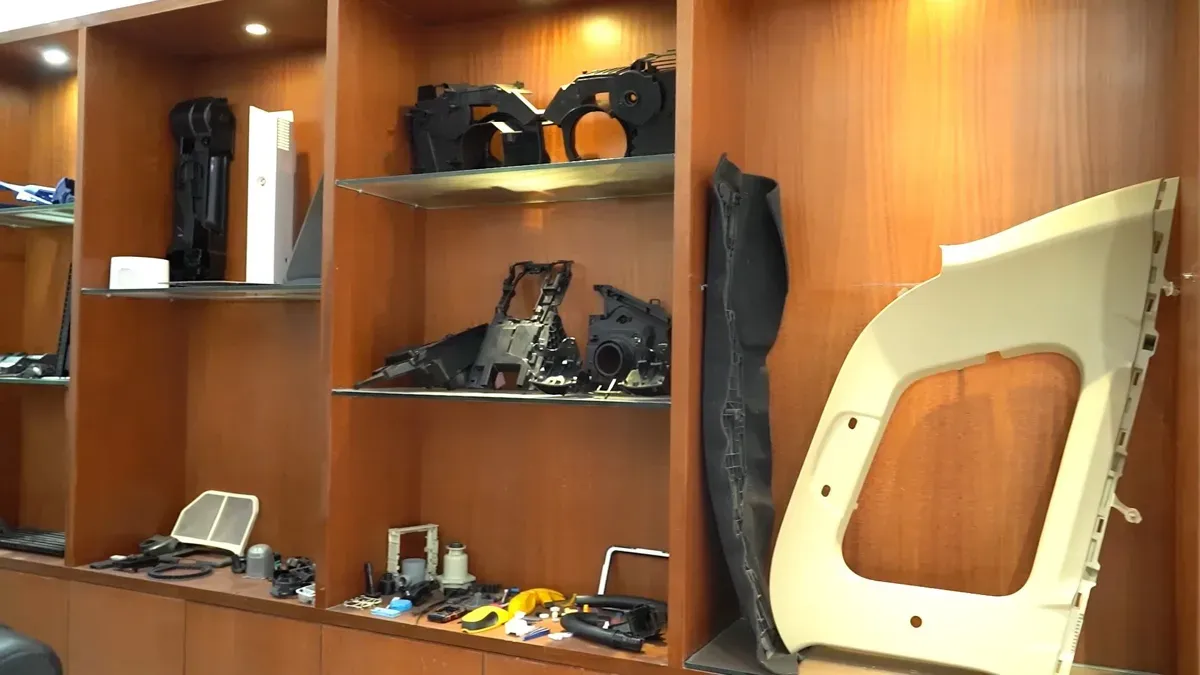
Electronic housings and enclosures, appliance components, automotive interior and functional parts, consumer product shells and mechanisms, industrial covers and fittings. See Industries: Consumer Products and Industries: Electronics & Enclosures.
Designing Parts That Mold Well — the Short Checklist
Most molding problems are designed in, then paid for in tooling and scrap. Our free DFM review checks every part against the same fundamentals:
- Uniform wall thickness. Thick sections sink and warp as they cool. Keep walls consistent and use ribs for stiffness instead of solid mass — the part gets lighter, molds faster and looks better.
- Draft on every vertical face. Parts must release from the steel. Draft designed in from the start avoids polished-workaround costs and ejection damage later.
- Radii, not sharp internal corners. Radiused corners flow better, eject easier and remove stress concentrators from both the part and the tool steel.
- Bosses and holes designed for molding. Properly gusseted bosses and sensibly placed holes avoid sink marks on cosmetic faces opposite them.
- Undercuts counted honestly. Every undercut means a slider, lifter or a design change. Sometimes the design change is free and the slider is not — the review shows you both options.
- Gate and parting line awareness. Where the resin enters and where the mold opens leave marks. Agreeing their location at design stage protects your cosmetic surfaces.
Defects We Design Out Before They Happen
- Sink marks — caused by thick sections cooling over ribs and bosses; prevented by wall discipline and rib design.
- Warpage — uneven cooling and wall variation; addressed in part design, gate position and cooling layout.
- Flash — worn or poorly fitted parting lines; our in-house toolroom maintains the tools we run, so parting lines stay tight.
- Short shots and weld lines in weak places — flow behavior reviewed at DFM, with gate locations chosen so weld lines do not land where your part carries load.
This is the practical value of a molder with its own toolroom: when production reveals a problem, the people who can fix the steel are in the same building as the press.
Choosing the Resin — the Questions We Ask
Material selection decides how your part behaves for its whole service life, so the DFM review asks about the life, not just the part: What temperature range will it see, continuously and at peaks? Is it used outdoors, where UV and weather act on it? Which chemicals, oils or cleaning agents will touch it? Does it carry load continuously (where creep matters) or only occasionally? Is it a visible, cosmetic surface or a hidden functional one? Your answers point to a shortlist among ABS, PC, PA, PP, POM and other engineering plastics, with the trade-offs stated plainly — stiffness against impact strength, cost against temperature resistance. If your drawing already specifies a grade, we mold that grade and supply material certificates; if it does not, this conversation is how the right grade gets onto the drawing.
Matching Part Size to Press
Clamping tonnage is not a badge; it is what keeps the mold closed against injection pressure. Small parts on an oversized press waste energy and can suffer from poor process control; large or deep parts on an undersized press flash and short-shot. Our 90T–470T range lets the part, its projected area and its resin decide the machine — thin-wall parts and large flat covers, for example, ask very different things of a press even at similar weights. The DFM review assigns the press class in the quote, so the price you see reflects the machine your part actually needs.
FAQ
What size of parts can you mold?
Our presses run from 90T to 470T, covering small precision parts up to larger housings and covers. Send the part file with its dimensions and resin — the DFM review confirms the right press and quotes accordingly.
Which resins do you work with?
ABS, PC, PA, PP and POM are the common engineering plastics we run, and we mold to the grade specified on your drawing. Exact material grades are confirmed in the quote, and material certificates are available for production parts.
Can you run production on a mold we already own?
Yes. Send the mold's size, weight, cavity count and machine requirements; we confirm compatibility with our press range, receive and inspect the tool, and run trials before production. Our in-house toolroom also services transferred molds.
Is there a minimum order quantity for molded parts?
Small batches are welcome — tell us the quantity you need and we quote it directly. As a rule, the lower the volume, the more the tooling cost dominates the part price; the DFM review will show you the numbers for your quantities, and for very low volumes we may recommend machined parts instead CNC Machined Parts.
How are parts checked during production?
First-off parts are approved against your drawing before the run proceeds, with in-process checks during production. CMM and dimensional reports and material certificates are available on request, plus pre-shipment photos or video.
What surface finishes can molded parts have?
The finish comes largely from the mold cavity — polished, matte or textured surfaces are built into the tool. Specify your finish standard (for example an SPI grade) in the RFQ and we build or prepare the cavity to match. Secondary painting and printing requirements can be discussed at quotation stage.
Can you mold parts with metal inserts?
Yes — insert molding is part of our production range, for threaded inserts, bushings and other hardware molded in place.
How long does production take?
It depends on whether tooling exists, your quantity and the material, so lead time is confirmed in the written quote after DFM. Trial samples always precede the production run, so your approval is built into the schedule.
What are your payment and shipping terms?
Payment by T/T. We ship DDP, EXW or FOB and deliver regularly to the US, Germany, France, Portugal, Sweden and Spain — DDP means the parts arrive at your door with freight and duties handled.
Can you sign an NDA?
Yes. NDAs are welcome and files are confidential by default.
My part is still a CAD concept. Where do I start?
Send the file as it is. The free DFM review covers draft, wall thickness, undercuts and material choice — the feedback you need before tooling is quoted, within 24 hours.