
60611
Balanced all-rounder
Properties: good strength, excellent machinability, weldable, anodizes evenly. Typical parts: brackets, plates, housings, fixtures, general structural parts.
MATERIALS
Most CNC parts start as aluminum. It's light. It cuts fast. It shrugs off corrosion and takes anodizing cleanly. But "aluminum" is not one material. The four grades we machine most — 6061, 7075, 6063 and 6082 — differ in strength, finish, anodizing response and price.
Pick the wrong one and you either pay for strength you'll never use, or you find out at the anodizer that your cosmetic part won't take color evenly.
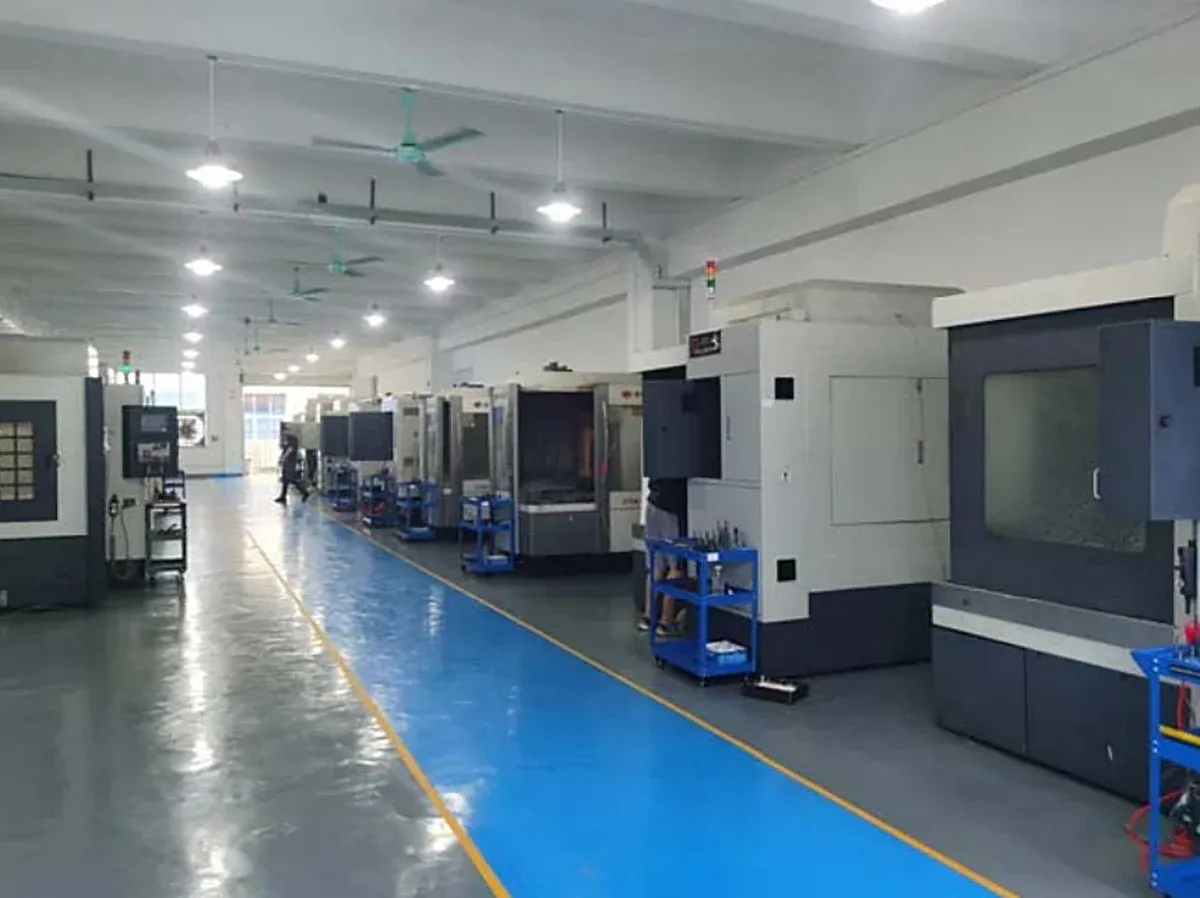
Here's how our engineers at HAFO Mould in Dongguan call it, grade by grade. Don't want to call it alone? Send the drawing. A material recommendation is part of our free DFM review, and your quote comes back within 24 hours.
STEP, STP, IGES, STL, X_T and 2D PDF accepted. All files confidential; NDAs welcome.
Properties: good strength, excellent machinability, weldable, anodizes evenly. Typical parts: brackets, plates, housings, fixtures, general structural parts.
Machining notes: fastest and most economical to machine of the four; clean chips, good surface finish straight off the tool.
Properties: strongest common machining aluminum, approaching mild steel territory at a third of the weight. Typical parts: load-bearing arms, aerospace-style fittings, high-stress brackets, parts redesigned from steel to save weight.
Machining notes: machines well but less forgiving: more tool wear, higher material cost, does not weld; anodizing possible but cosmetic color less consistent than 6061.
Properties: slightly softer, extrudes and machines to a smooth surface, best anodizing response. Typical parts: enclosures, covers, trims, visible consumer parts, heat-sink profiles.
Machining notes: soft and somewhat gummy — sharp tools and right speeds matter to avoid smeared finish; excellent choice when appearance is priority.
Properties: structural grade widely specified in Europe; stronger than 6061 in common tempers, good corrosion resistance. Typical parts: machine frames, structural plates, transport and industrial equipment parts.
Machining notes: machines similarly to 6061 with slightly more tool wear; stock availability in Asia thinner than 6061, so tell us early if drawing specifies it.
Start from the job the part does, not from a habit. Half the drawings that land on our desks spec 7075. Most don't need it. Bracket, housing, plate, cover under ordinary loads?
6061 does the job for less — less for the stock, less for the machining — and it anodizes better and welds if your assembly ever needs it. Save the expensive grade for parts that actually carry load. It's the easiest saving in aluminum machining, and it costs you nothing in performance.
Choose 7075 when strength is the requirement, not the insurance policy: highly loaded structural parts, thin walls that still have to stay stiff, or a steel part being redesigned for weight. You give up welding. You pay more. The anodizing looks plainer. Worth it — when the load is real.
Choose 6063 when the customer sees the part. Enclosures, front panels, anything consumer-facing: 6063 comes off the tool smoother and anodizes more evenly. It gives you the most consistent cosmetic result of the four.
Choose 6082 when the drawing says so. European teams spec it routinely for structural work, and we machine it regularly for export orders. Just flag it in your RFQ. We'll confirm stock during DFM, not when production is waiting.
Consider the finish before the grade. Hard-anodized for wear? We usually point you to 6061. Powder coated or painted? Grade matters less, so 6061's economy wins. Bare and visible? Give 6063 a look.
Our guide [→ 6061 vs 7075 Aluminum: How to Choose] goes deeper on the two grades buyers confuse most.
All four grades take the finishes below, in one order. No second vendor, no parts travelling across town between machining and finishing:
lowest cost, right for internal and functional parts
knocks back tool marks under a uniform matte texture, before coating or anodizing
corrosion protection plus appearance; most even on 6061 and 6063
a thicker, wear-resistant layer for sliding, outdoor or high-handling parts
what visible cosmetic surfaces usually need
color-matched, protective, and forgiving of grade choice
nickel, chrome, zinc and electroless nickel where the drawing calls for it
Anodizing color shifts slightly between grades and batches — the alloy itself tints the film. If two mating parts must match exactly, tell us up front. We'll machine them from the same grade and anodize them in the same batch.
Aluminum cooperates with precision work. At HAFO we quote two tolerance levels under ISO 2768-mK: standard ±0.13 mm (±0.005 in) for general dimensions, and precision ±0.025 mm (±0.001 in) for the features that need it — bearing seats, mating faces, press fits.
Aluminum moves with temperature more than steel does. That's why inspection happens on fully automatic CMMs in a controlled inspection area, and why we push back on precision callouts where the function doesn't demand them. Maximum CNC travel is 800 mm (31.5 in); MOQ is one piece.
Full detail in our guide [→ CNC Machining Tolerances Explained: Standard vs. Precision].
Precision Aluminum CNC Machined Parts · CNC Machining · 6061 vs 7075 Aluminum: How to Choose for CNC Machined Parts · Stainless Steel for CNC Machining · What Does CNC Machining Cost?
Don't guess — upload the drawing. The free DFM review includes a material recommendation, and your quote is back within 24 hours. Files stay confidential; NDAs are welcome.